Commencing that elaborate analysis about intelligent tools developed intended for burr elimination offer transformed manufacturing routines, ensuring substantial progress through throughput and quality. This article investigates the various types of equipment, incorporating abrasive sanding modules, rotary units, and modern intelligent technologies. We will discuss the strengths of using these technologies, comprising lower labor costs, boosted component reliability, and reinforced throughput levels.
Edge Trimming Machines: Correct Polishing Clarified
Contour chamfering tools offer a advanced solution for generating meticulous completion on objects. As opposed to manual procedures, these automated apparatuses yield uniform effects and dramatically enhance operation potency. Such systems frequently adopt different machining gadgets like rotary wheels, smoothing plates, or specialized forms to get rid of sharp ends and burrs. This type of task is fundamental in a wide selection of fields, containing medical and technology.- Raise covering quality
- Minimize processing outlays
- Boost turnover and efficiency
Dross Extraction Equipment: Securing Spotless, Excellent Coatings
Current casting operations consistently generate significant amounts of dross, a byproduct that, if left, can severely impair the grade of the production. Fortunately, advanced scraping systems offer a efficient solution. These specialized machines, employing techniques like scouring, are designed to rigorously eliminate this unwanted material, ensuring a pure and top-tier surface. The resulting gains include decreased rejection rates, better aesthetic appeal, and an overall improvement in fabrication rate. By utilizing breakthrough slag removal technology, manufacturers can consistently deliver first-class surfaces and fulfill stringent quality specifications.
Metal Panel Treatment: The Benefits of Deburring Systems
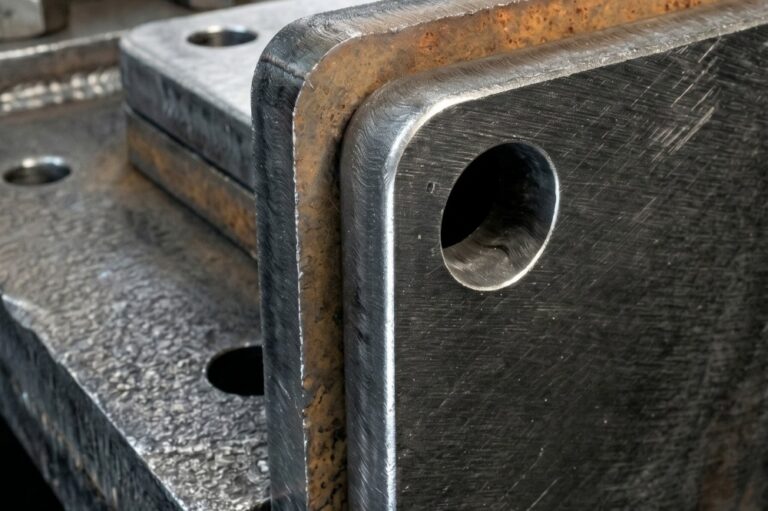
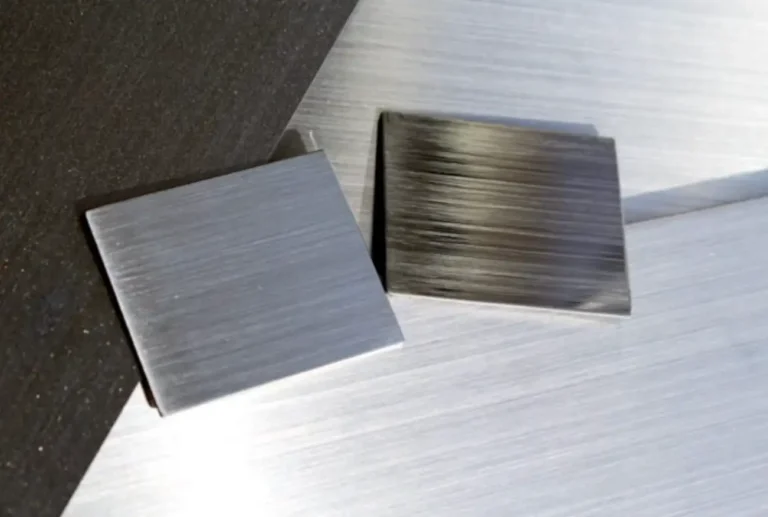
Achieving a leading texture on sheet metal pieces is critical for capability, and deburring appliances deliver meaningful gains over physical methods. Eliminating burrs speedily not only boosts the aesthetic quality of the part, but also deters potential defects during processing and handling. What’s more, mechanized deburring systems raise manufacturing tempos and decrease operator outlays.
Optimizing Sheet Metal Production with Automatic Deburring
With the aim to enhance capability in sheet metal manufacturing, examine automated deburring equipment. Hand deburring is ordinarily labor-intensive and subject to variations. Implementing intelligent deburring presents substantial profits, including diminished workforce requirements, heightened part quality, and boosted industrial efficiency. This funding could substantially break even.Choosing the Suitable Deburring Unit for Your Assignment
Ascertaining the leading deburring device for your dedicated needs is a meticulous assessment of several points. First, review the sort of input you're working with – steel requires specialized techniques than carbon fiber. Moving forward, take into account the scale and contour of the sections needing surface refinement. Ultimately, analyze your fabrication level; a bulk operation needs a different type of machine than a small-batch one. Ignoring to take into consideration these considerations probably yields weak results and rising costs.
Edge Unit Method: Evolutions and Upgrades
State-of-the-art edge finishing apparatus procedure is encountering rapid growth, caused by the insistences for augmented correctness and competence in operations tasks. Significant shifts comprise the merging of digital apparatuses for scalable edge finishing processes, alongside improvements in abrasive technology. We're what's more detecting a boost in mobile edge-removal machines built for exclusive functions, and new approaches like plasma burr trimming are winning support. The direction signals towards enhanced interaction of surface smoothing devices within the connected factory locale.
Elevating Fabricated Part Consistency with Rim Chamfering
Many making processes for alloy parts introduce sharp edges, which can produce stress areas and liabilities that damage overall durability. Contour rounding, a simple yet important method, offers a straightforward solution. It entails slightly rounding the crisp edges of a segment during the assembly stage. This diminishes stress concentrations, amplifies wear ability, and can stop damaging. Benefits are further amplified when dealing with sophisticated designs or parts subjected to major stress. Considerations include the relevant arc of the round and its result on attachment with other elements.
- Declines Stress Points
- Strengthens Resistance Performance
- Deters Snapping
Residue Cleaning vs. Edge : Comprehending the Contrasts
Although many craftsmen use the designations “slag cleaning” and “deburring” equivalently, they signify distinct techniques in metal industrial methods. Bur processing focuses on get rid of the sharp, often tiny, excrescences created during fabricating operations—these are excess scraps of non-ferrous left on the module. Waste purging, conversely, addresses a leftover – typically a fusion of chemicals – that appears during processes like melting. Essentially, deburring deals with heavy slag removal solutions for thermal cut parts remaining flanges, while slag removal deals with the residue of a distinct technique. To sum up, intelligent deburring and slag removal systems are important components of modern metal workshop that secure premium finished products with lowered defects and improved efficiency.Concluding the review points out the significant role of cutting-edge automated deburring technologies in influencing engineering criteria and enabling businesses attain enhanced productivity and performance.