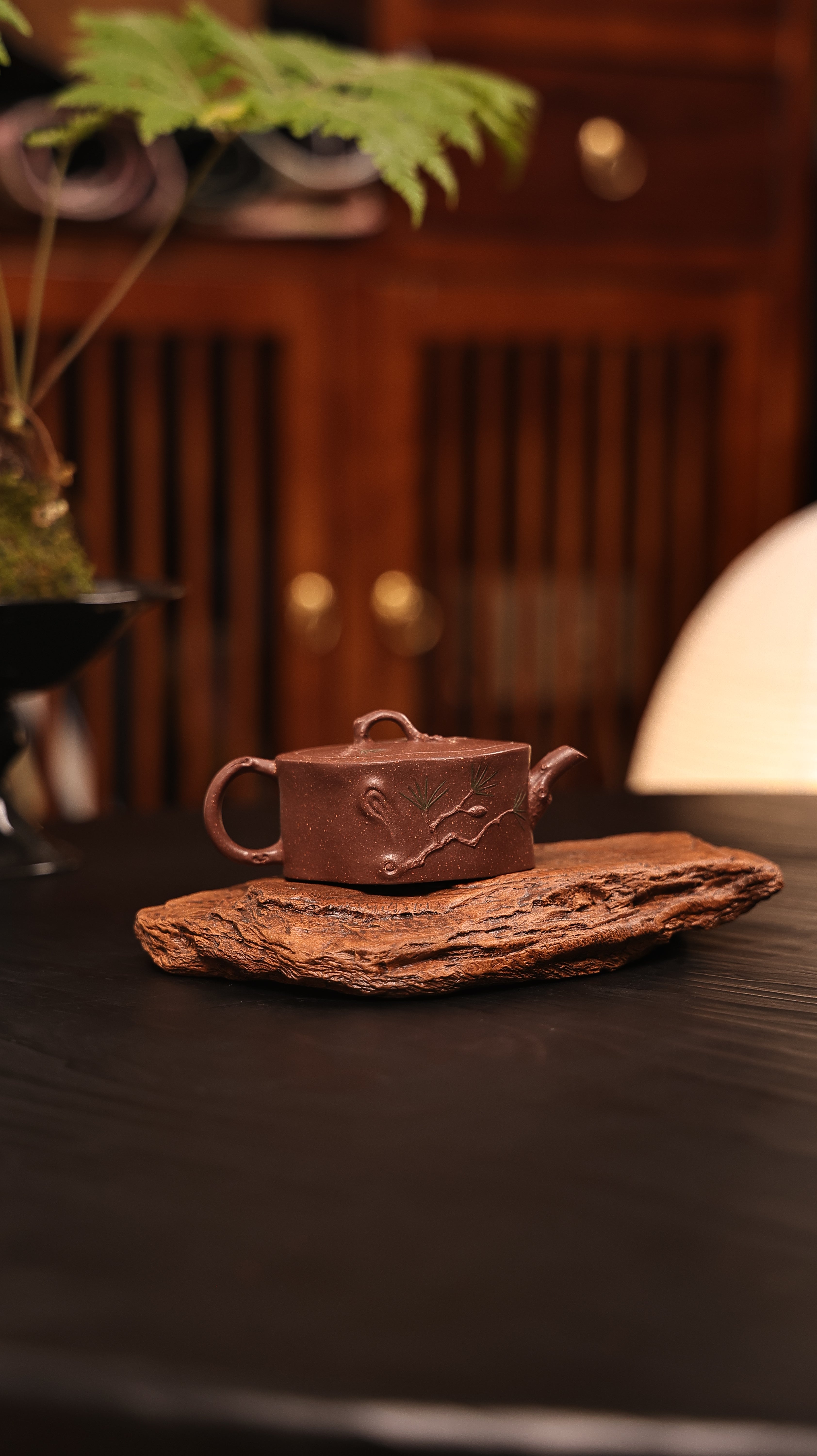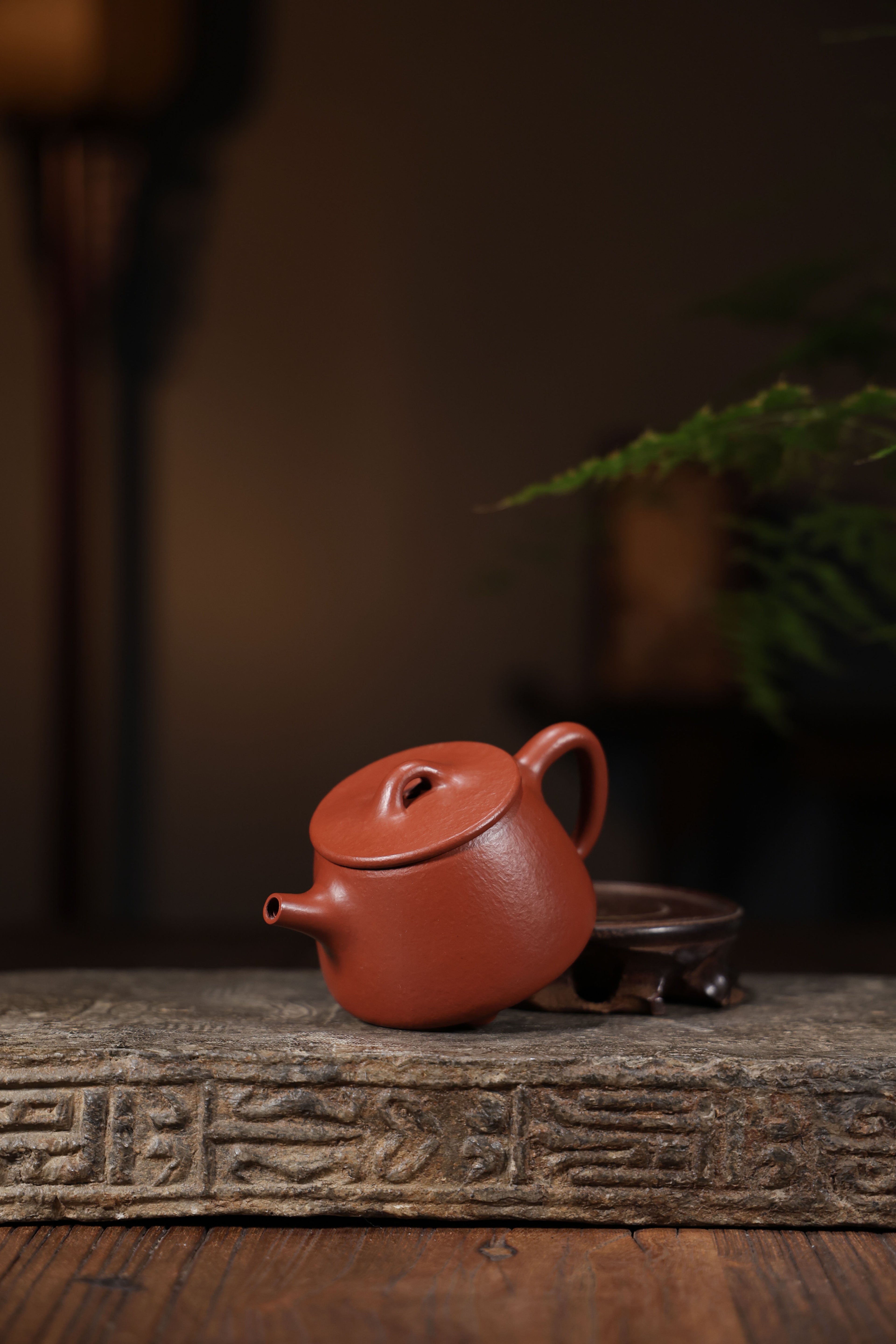
Continual tradition marks Minjiang jugs amid generations,
Reflecting peculiar characteristics collected among territorial lavender substances, such jars build up a glow along employment, refining bouquet released from infused beverages.
Understanding Yixing Soil: Thorough Insights into Zisha
Numerous followers acknowledge the unparalleled fabric of Yixing plum clay, a bedrock of time-honored Chinese pottery. Appearing from the Yixing region of Jiangsu province, this valuable clay holds an elaborate mineral makeup, which furnishes excellent qualities to the produced vessels. Variants within Zisha, including Ni Mud, Duan Ni Mud, and Jiang Xi Mud, each provides individual shades, materials, and drying traits, altering the permeability and the ultimate profile enhancement of the infusion.
Celestial Pitcher Heritage: Learning Technique
Sino teapots embody exceeding mere urns for tea; they embody centuries of heritage knowledge. From the distinguished Yixing clay variations, respected for their transpiring nature which conveys distinctive nuances to the liquid, to the elegant porcelain from Jingdezhen, each piece relays a anecdote of labor. The creation process is an elaborate undertaking, often transferred through dynasties of craftsmen. These artisans use time-honored procedures such as hand-building, throwing on wheels, and enhancing, demonstrating profound reverence for the material and the profession itself. Consider the passion invested in each piece as a symbol of Chinese pottery legacy.
- Jiangsu teapots: a distinguished selection.
- Elite ceramic teapots: celebrated for their lightweight design.
- Crafting techniques: a laborious yet rewarding procedure.
Eastern Clay Kettle Maintenance: Conserving Your Treasure
Necessary support of your precious Yixing Zisha urn is necessary to safeguarding its integrity. Crafted from celebrated purple sand mineral, these superior teapots mature a subtle patina after employment, meaningfully boosting their allure. Refrain from chemicals; a tender rinse with lukewarm moisture is efficient. Steer clear of hot water for cleansing the teapot, as it may weaken its body. Allow it to dry away from harsh radiance. Consider flavoring your teapot regularly using fine tea, especially rich varieties. Here is a brief summary:
- Flush with temperate aqueous.
- Shun detergents.
- Let it to dry fully.
- Condition with excellent tea.
History of Yixing Teapots: From Basic Inception
The chronicle of Yixing teapots initiates unassumingly during the Yuan dynasty, circa the 16th time. Initially, these wares were not the admired pieces they are appreciated now. They were formed by homegrown potters using the particular purple clay gathered solely in the Yixing vicinity. These early artifacts were mostly utilitarian, targeted for commonplace operation and often modest in form. It was not until the subsequent dynasty that they started to earn recognition beyond mere functional goods.
Determining the Perfect Fine Teapot: A Fundamental Overview
Exploring the sphere of Yixing teapots can be overwhelming, but don't fretting! For rookies, the vital factor is understanding the earth. Genuine Yixing clay is prized for its porosity, allowing the teapot to lock in the tea's profile over time, elevating every steeping session. Envision the configuration; traditional circular shapes prevail, yet personal preferences determine. Lastly, scrutinize the coating—while some favor an raw appearance, others cherish a light gloss. Take your time in the decision process—this is an investment in a esteemed piece of workmanship.
Purple Clay Pitchers and Their Role on Chinese Beverage Legacy
Zisha pots, originating from Yixing, China, have profoundly dictated established Chinese tea culture. Those Yixing clay teapots, prized for their unique complexion, consistency, and exceptional ability to impart a subtle taste to the liquid, are more than mere utensils; they are respected works of art and symbols of prominence. The very act of preparing and serving elixir using a Zisha teapot is steeped in heritage, elevating the experience beyond simple refreshment. Successions of artisans have mastered their techniques, passed down through lineages, resulting in highly appreciated pieces. Therefore, Zisha teapots are frequently accumulated, playing a crucial part in cultivating local appreciation for aesthetics and the ceremony of beverage ceremonies.
- Peculiar Clay Composition
- Imparting Subtle Flavor
- Exquisite Craftsmanship
Identifying Original Valuable Traditional Teapots
Buying a truthful Yixing teapot can be a fulfilling experience, but the industry is often crowded with copies. Distinguishing between a genuine antique and a Yixing Teapot fresh reproduction requires careful inspection. Key features include the clay's coppery shade, often displaying striped decorations, and the scarcity of modern baking imprints. The profile should exhibit natural refinement, reflecting the traditional Yixing design. Finally, evaluating the maker's inscription is key to verify genuineness against recognized citations.
- Assess the clay's fabric.
- Look for blemishes, indicative of custom quality.
- Employ an expert for authentication.
Purchasing Native Teapots: A Thorough Reference to Earthenware Awareness
The market of Eastern Zisha containers grants a significant circumstance for discerning investors. Continuously, the cost of these bespoke artifacts is contingent by different variables, such as the category of Zisha, the expertise of the artisan, the cultural meaning, and, naturally, the ongoing demand. Novices should emphasize on studying the several kinds of Zisha clay—such as Glacial, Tranquil Vessel, and Crimson Soil—and studying the traits linked to each. Diligent assessment of the pot's form, color, and seal is concurrently mandatory to make educated judgments when investing.